Meta started cutting around 8,000 jobs on May 20, 2026. That is about 10% of the company. That first round of cuts is just the start, and more rounds are planned for later this year. At the same time, Meta stopped filling 6,000 jobs it had planned to hire for.
Then came the memo. Mark Zuckerberg told staff that "success isn't a given" in the AI race and that the company had to move fast. Clean, modern, corporate framing. The numbers underneath tell a different story.
CNBC Zuckerberg's Meta Layoffs Memo 'success Isn't
The money story
Meta is not in trouble. Its most recent three-month period brought in $56 billion in sales. The ad business is healthy. Cash on hand is fine. This is not a company stretching to make payroll. It is a company choosing to spend money somewhere else.
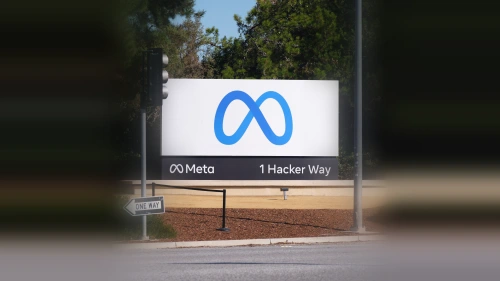
Zuckerberg has promised to spend between $125 billion and $145 billion on AI over the coming years. Most of that money goes to GPUs (the special chips that train AI models), the big buildings full of computers that run them, and deals for the electricity to keep them on. When a CEO fires 8,000 people the same quarter he writes a check for $145 billion worth of Nvidia chips, "success isn't a given" stops sounding like a plan. It starts sounding like a swap. People out, computers in.
The Next Web Meta Cuts 8,000 Jobs Amid Record
What was actually cut
The New York Times reports that the cuts hit product teams, recruiters, and middle managers broadly, with some teams getting almost completely emptied. Recruiters took a brutal hit, which is what you would expect from a company that just told the world it does not plan to hire much for a while.
Singapore staff reportedly found out by email at 4 a.m. local time. That is a choice. There is no good reason to deliver mass firings in the middle of the night across time zones. It is easier for the HR schedule. It is worse for the human being on the other end.
New York Times Meta Layoffs AI
The AI casualty dodge
A lot of coverage has called these "AI casualties," as if the technology itself reached out and fired people. It didn't. Bosses did. The decision to move 10% of the staff budget into AI was made by humans who weighed the cost of an engineer against the cost of an hour of GPU time and chose the GPU. Calling that "AI took the jobs" makes the choice sound like something nobody decided. Somebody decided.
The work-speedup story underneath is real. Meta has been telling Wall Street that its own AI coding tools now write a real share of new code, with NPR citing internal estimates around 30% on certain teams. If that number is anywhere close to accurate, the math on hiring a 25-person team versus paying for AI does flip. That does not make the layoffs less brutal. It makes them more predictable.
NPR Meta Slashes 8,000 Jobs As It
What this means for tech
Meta sets the tone for the rest of tech. When Meta cuts jobs to pay for AI, others follow within a few months. Google did its own round in March. Microsoft trimmed sales and partner teams in April. Salesforce, Workday, and Oracle have all been hinting at similar moves on their earnings calls.

The honest read is that the entire industry is doing a one-time shift, moving money from people to computers, while pretending each company arrived at the decision on its own. The pattern is too clean for that. Coordinated by spreadsheet, not by secret deal. The result is the same. Tech employs fewer people than it did 18 months ago, and it is not coming back.
If you work in tech right now, the practical advice is boring but real. Be the person who ships, not the person who coordinates. Get good with the tools that are eating the work, because the people left standing at Meta are mostly the ones who use them well.