
Here we go
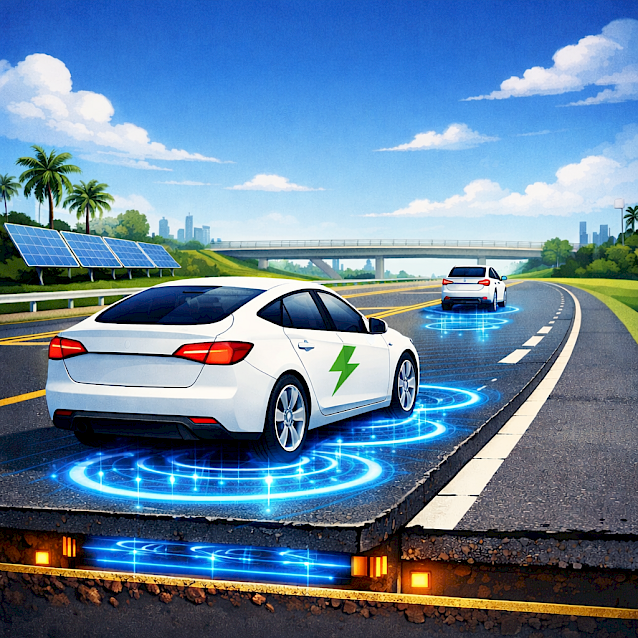
Florida is testing a new type of highway that can charge electric vehicles while they are driving. Instead of plugging in at a charging station, compatible EVs would get power directly from the road using wireless technology.
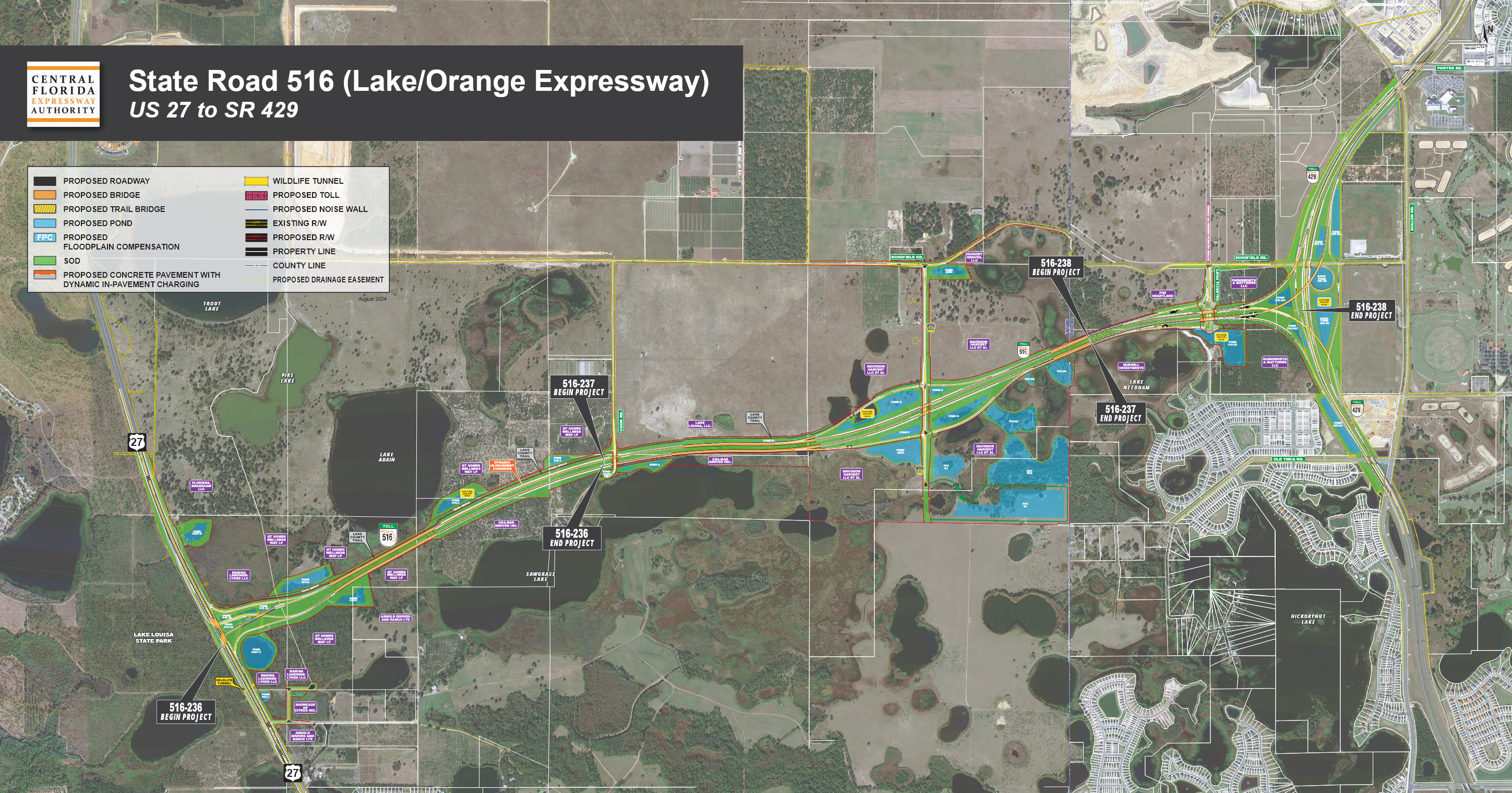
The project is being built in Central Florida on State Road 516, a new 4.4-mile expressway under construction between US-27 and SR-429. About three-quarters of a mile of one travel lane will include wireless charging equipment embedded beneath the asphalt. Installation is expected to begin in June 2026.
How the charging works
The road uses inductive charging technology. Coils installed below the pavement generate a magnetic field, which compatible electric vehicles can capture using a receiver mounted underneath the car. This allows energy to transfer wirelessly while the vehicle is moving.

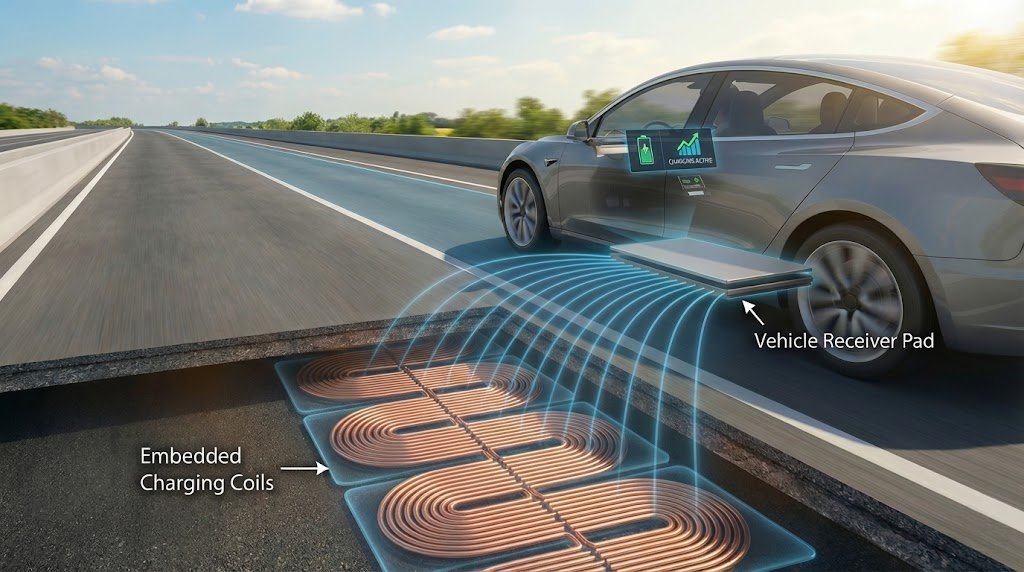
According to research from the National Renewable Energy Laboratory (NREL), wireless EV charging can reduce the need for large onboard batteries and help smooth charging demand across the grid.
The system planned for SR-516 is designed to deliver up to 200kW of power at highway speeds. The goal is not to fully recharge a battery, but to maintain or extend driving range during normal travel.
Why this matters
Wireless road charging has been tested before, but mostly in short demo tracks or low-speed environments. Florida’s project stands out because it is designed for real highway speeds and live traffic.
If successful, the technology could help reduce:
- Range anxiety for EV drivers
- Time spent stopped at charging stations
- Crowding and congestion at fast chargers
Similar concepts are already being explored globally. Companies like ENRX are actively developing wireless charging systems intended for real-world roads and commercial deployment.
Major limitations
Only EVs equipped with compatible receiver hardware can use the charging lane. Most electric vehicles currently on U.S. roads do not support this technology.
There are also unresolved challenges, including:
- Industry standards and interoperability
- The cost of adding receiver hardware to vehicles
- How quickly automakers would adopt support
Part of a larger project
The wireless charging lane is just one component of a much larger infrastructure effort. The full SR-516 expressway project carries a price tag exceeding $500 million and is expected to be completed by 2029.
The Central Florida Expressway Authority officially broke ground on the project in 2024, calling it a trailblazing new expressway for Orange and Lake counties.
Project plans also include solar panels to support roadway systems, wildlife crossings, and shared-use paths. Design details and renderings can be found in the official SR-516 display board.
What this means going forward
This is a pilot project, not a guarantee of widespread adoption. It will test whether dynamic wireless charging can survive weather, traffic, and daily wear while delivering consistent power.
Even if the technology remains limited in scope, Florida’s project shows that roads which actively supply energy are no longer science fiction. They are being designed and built into real highways.