Florida is building a stretch of road that can charge a specially equipped electric car while it drives, with no plugging in at all. No cable. No charging stop. Coils buried under the asphalt push power straight up into the car as it rolls. Construction on the expressway is already underway.
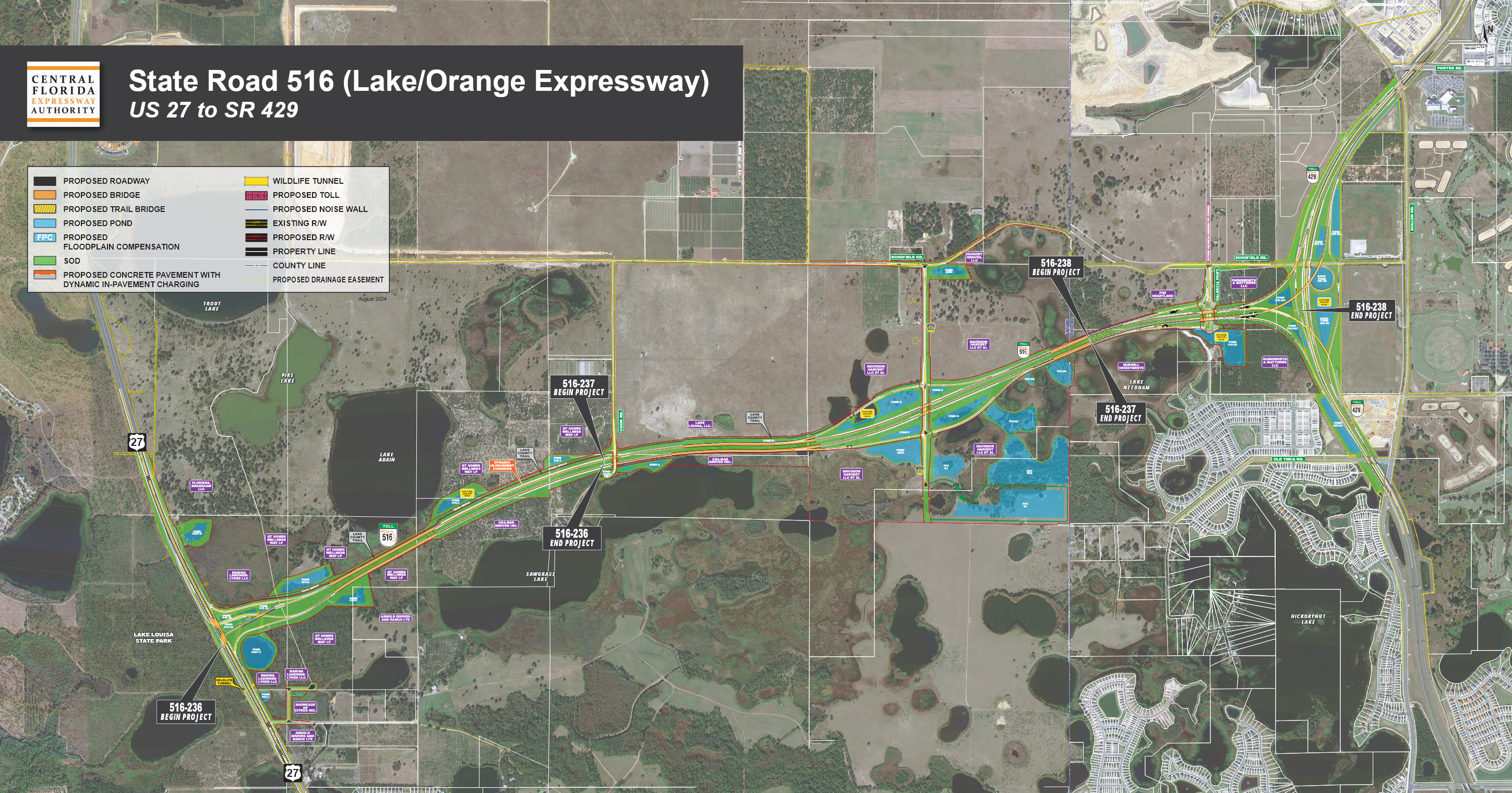
The road is State Road 516, a new 4.4-mile toll highway going up near Orlando, running from US-27 to SR-429. Roughly three-quarters of a mile of the outside lane gets the charging gear. The Central Florida Expressway Authority, which builds and runs the region's toll roads, is working with ENRX, a Norway-based company that makes wireless power systems, and the ASPIRE Engineering Research Center at Utah State University. ENRX's contract for the charging hardware is worth $13.6 million.
How the charging works
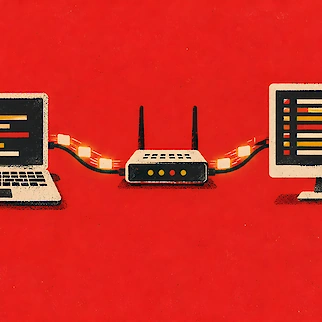
It uses inductive charging, the same trick as a wireless phone charger, just scaled way up. Coils under the pavement make a magnetic field. A receiver bolted to the bottom of a compatible electric car catches that field and turns it back into electricity, all while the car keeps moving. The system is built to charge any vehicle class, from passenger cars to delivery vans to heavy trucks and buses.
The SR-516 system is built to push up to 200 kilowatts at highway speed. ENRX says its tests hit 180 kilowatts at 50 miles per hour with more than 90 percent efficiency, so most of the power reaches the car. That 200 kW is on par with a roadside fast charger, except the car never stops. The pilot is not meant to fill the battery on one trip. For equipped test vehicles, it is meant to show whether in-road charging can claw back some of the energy a car burns while driving.

Researchers at the National Laboratory of the Rockies, the US government energy lab formerly called NREL, say this kind of road charging could let carmakers shrink the battery packs in electric cars. Smaller pack, lighter car, lower sticker price. They also say it could shift some charging away from a fleet's central depot or busy fast-charging sites, which would ease the cost of upgrading the grid around those hubs.
National Laboratory of the Rockies wireless EV charging
Why this one matters
Wireless car charging isn't new. It's been tried before, mostly on short demo loops, in bus depots, and at low speed in tightly controlled tests. Detroit opened the first US public wireless-charging road in 2023, a quarter-mile city street at low speed. What's different here is the setting. CFX is laying the system into a limited-access, high-speed expressway, not a depot, a test track, or a short low-speed city street, with normal traffic moving at posted speeds. If the tech is ever built at real scale, a few things could shift for drivers:
- Range anxiety on long trips could ease, since the car tops up as it moves.
- Compatible cars could need fewer charging stops, because some of the top-up happens mid-drive.
- Less load could pile onto fast-charging hubs if charging spreads across the road network.
It isn't just Florida either. Similar electrified-road projects are being tested in Norway, Sweden, and Israel, all chasing the same goal of charging cars while they move.
The real catch
Here's the honest part. Only electric cars fitted with the right receiver underneath can pull power from this lane. CFX says that at first only specially equipped test vehicles will be able to use the charging system, even though any driver can drive in the lane. There's also no settled industry standard for in-road charging yet. SAE published a wireless-charging standard for parked cars in 2024, and SAE J2954/3 covers charging cars while they move. But no in-road charging spec is settled and adopted across the industry, so automakers can't yet count on one agreed standard that lets a car work on every electrified road.
Other knots nobody has untied yet are stacking up.
- The receiver adds cost and weight to every car that wants it.
- Carmakers have to back the tech before there's enough road to make it worth buying, and road planners face the exact reverse bet.
- Interoperability is still being worked out, so a car built for one road's gear has no guarantee it works on the next.
It's a classic chicken-and-egg. Nobody builds the cars without the roads, nobody builds the roads without the cars, and that standoff won't clear up fast.
Part of a much bigger build
The charging lane is a tiny slice of a huge construction job. Segments of SR-516 broke ground back in 2024, and the full expressway is due to wrap up around 2029. The first construction phase alone got over $218 million approved. The highway also folds in solar panels to run its own roadside systems, wildlife crossings, and walking and biking paths beside the lanes.

What it really proves
This is a pilot, not a promise that every road will charge your car someday. It's a test, and it could flop. Florida's heat, downpours, heavy trucks, and years of pounding wear all get to chew on the hardware while it tries to feed steady power to the handful of cars that can even take it. That's a tall order.
But even if the tech stays a niche thing, the project drags the idea onto a real high-speed expressway, a much tougher test than a short demo loop. Roads that hand energy back to the cars on them are being drawn up, paid for, and laid into a working public highway. That alone is worth watching.